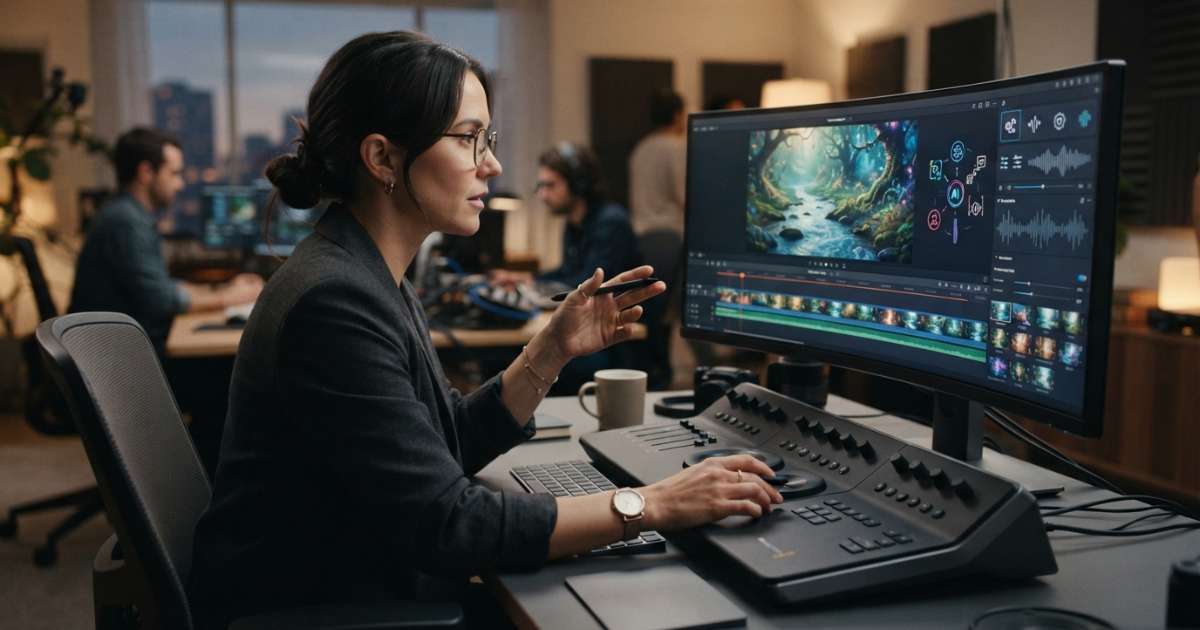
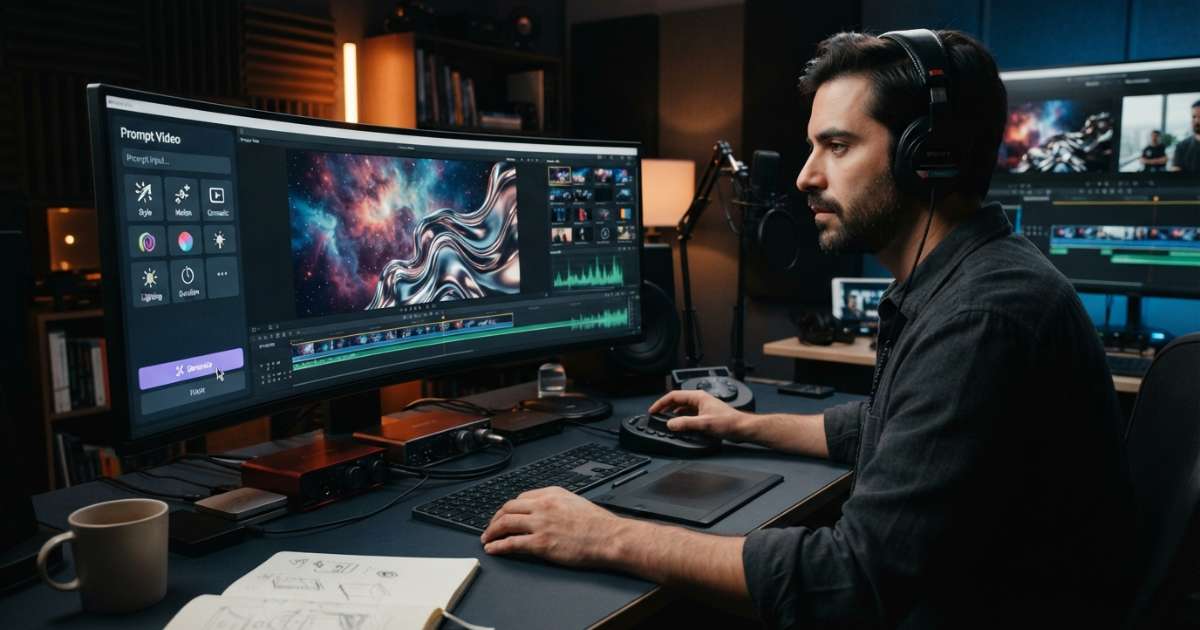
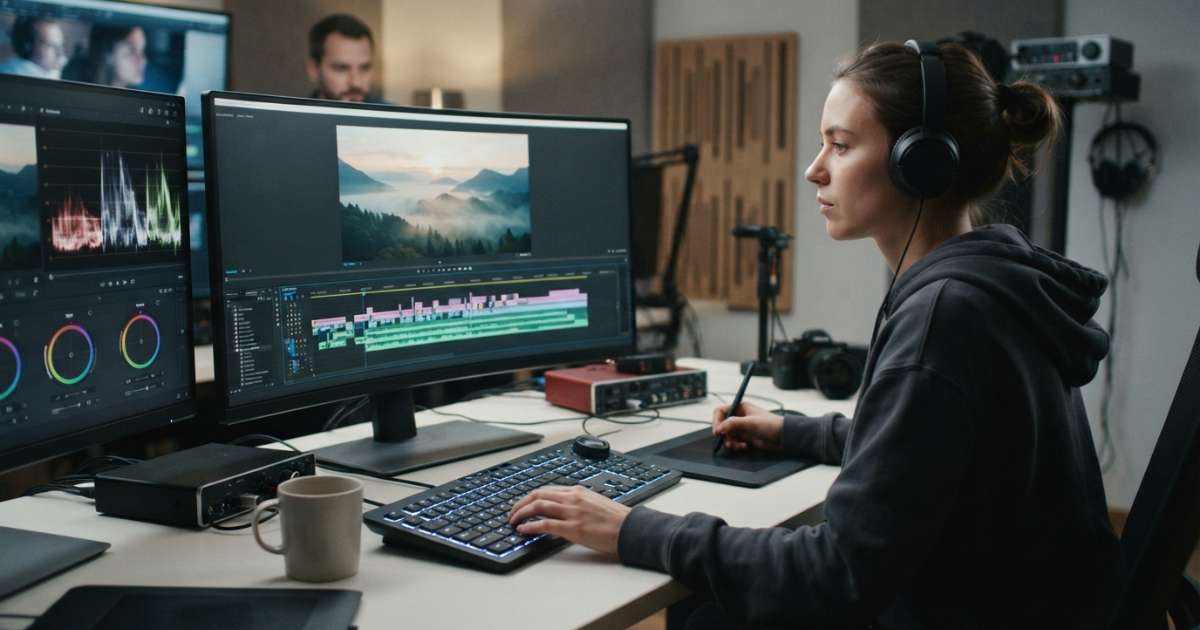
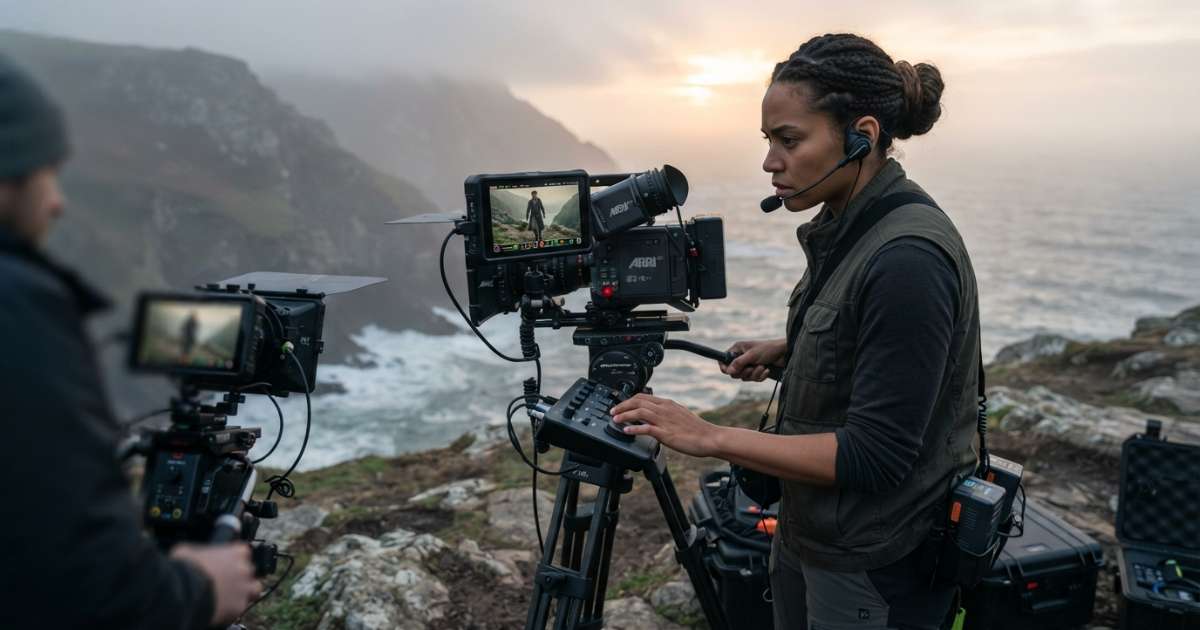
Artificial intelligence has completely transformed the modern landscape of digital content creation. Among the most impressive technological developments of recent years is the ability to generate moving images using simple text descriptions. A prompt video is essentially a written command that instructs an artificial intelligence engine to create a specific video sequence. By entering a descriptive sentence, users can watch their ideas materialize into high-quality visual content within moments. This technology has democratized the video production process, making it highly accessible to independent creators, small businesses, and large marketing agencies alike. Learning how to craft a highly effective prompt video has quickly become a vital skill for anyone working in the creative industry. By understanding the mechanics of a video prompt AI, you can easily streamline your workflow and produce engaging content at a fraction of the traditional cost.
Danh sách
Understanding the Concept of a Prompt Video
Before diving into the creation process, it is important to build a strong foundation regarding how a prompt video actually works. At its core, this technology relies on generative artificial intelligence models that have been trained on vast datasets of visual media. When a user inputs a text description, the system interprets the words and translates them into corresponding visual elements.
The success of your generated content depends heavily on the structure of your video prompt AI. If your input is too short or lacks specific details, the AI model will fill in the blanks using its own training data, which might lead to unexpected or undesirable results. Therefore, learning the basic structure of a prompt video is the first step toward gaining full control over your digital assets.
What is a Video Prompt
A video prompt AI is a set of text instructions designed to guide generative algorithms in creating motion pictures. Unlike static image generation, creating a video requires the AI to understand not only the objects in the frame but also how those objects move over time. When you write a prompt video, you are essentially acting as a director, describing the scene, the characters, the action, and the environment to your digital crew.
The complexity of a video prompt AI can range from a single sentence to a highly detailed paragraph. For beginners, starting with simple descriptions is a great way to understand how the AI model responds to different words. As you gain more experience, you can experiment with more complex AI video generator prompts to achieve highly specific cinematic styles.
How AI Interprets Your Text
The underlying technology of a prompt video utilizes natural language processing to dissect your written input. The AI model breaks down your sentence into key tokens, which represent different concepts such as subjects, actions, styles, and settings. It then searches its database to find patterns that match these tokens and begins generating the video frame by frame.
To ensure smooth motion, the video prompt AI must predict how objects should behave in a three-dimensional space over time. If your prompt video describes a running dog, the AI must calculate the realistic movement of the paws, the tail, and the surrounding environment. This complex computational process highlights the importance of using clear and precise language in your text inputs.
How to Write a Prompt Video to Get the Best Results
Creating professional visual content requires more than just typing a random sentence into a generator. If you want to know how to write a prompt video that consistently delivers high-quality results, you must follow a structured approach. By breaking down your prompt into logical components, you can guide the AI model to produce exactly what you have in mind.
A successful prompt video typically consists of four main components: the subject, the action, the environment, and the camera parameters. When you combine these elements effectively, you create a powerful instruction set that minimizes AI errors. Let us explore these key components in detail to help you write the best video prompts for your projects.
Start with a Clear Subject
The subject is the focal point of your scene, and it must be described with high precision. When learning how to write a prompt video, you should avoid vague terms. Instead of writing a man, you should write a middle-aged chef wearing a white uniform. This specific description helps the video prompt AI generate a character that fits your specific narrative.
In addition to the physical appearance, you can also describe the emotional state of your subject. Adding terms like a smiling child or a focused athlete to your prompt video gives the AI model clear guidance on how to render facial expressions and body language, resulting in a much more realistic video.
Describe the Camera Movement and Angle
One of the most common mistakes beginners make is neglecting camera directions. To make your content look like a real movie, you should always include camera movements in your AI video generator prompts. You can specify whether the camera should pan, tilt, zoom, or follow the subject through a tracking shot.
For example, a prompt video that includes the phrase slow drone shot rising above a dense green forest will produce a completely different visual experience than a simple static shot of trees. Specifying the camera angle, such as a low-angle shot or an eye-level shot, also adds depth and professionalism to your generated clips.
Add Lighting and Aesthetic Details
Lighting is a fundamental element of visual storytelling that establishes the overall mood of your video. When crafting a video prompt AI, always describe the lighting conditions of your scene. You can choose from a wide variety of styles, such as cinematic golden hour lighting, dramatic high-contrast shadows, or soft studio illumination.
Additionally, you should specify the aesthetic style of your video in your best video prompts. Whether you want a hyper-realistic documentary look, a retro VHS aesthetic, or a modern 3D animation, these style keywords must be clearly stated. This prevents the AI from generating a generic style and ensures your prompt video aligns with your creative vision.
Best Video Prompts Examples for Different Industries
To help you understand how these principles are applied in real-world scenarios, we have compiled a list of the best video prompts across different fields. These examples demonstrate how you can structure your AI video generator prompts to achieve professional results for various business and creative needs.
By studying these practical examples, you can learn how to balance detailed descriptions with concise language. Whether you are working in marketing, entertainment, or education, these templates can serve as a valuable starting point for your own prompt video creations.
Marketing and Advertising Prompts
In the competitive world of digital marketing, businesses must produce high-quality visual content quickly. Using a prompt video allows marketing teams to create product demonstrations and promotional clips without expensive camera equipment. A well-designed video prompt AI for a product showcase should focus on clean lighting and smooth camera movements.
For instance, one of the best video prompts for a beauty brand would be: A close-up shot of a glass perfume bottle sitting on a wet stone, water droplets slowly falling in the background, elegant studio lighting, slow-motion macro lens. This highly descriptive AI video generator prompts structure guarantees a clean, luxurious visual that is ready for social media advertising.
Cinematic and Storytelling Prompts
Filmmakers and content creators use generative AI to brainstorm visual concepts and build storyboards. When writing a cinematic prompt video, the focus should be on atmosphere, scale, and emotion. Using descriptive adjectives helps the video prompt AI capture the epic scale of your story.
An excellent example of a cinematic prompt is: A lone traveler walking through a futuristic neon-lit city street at night, heavy rain reflecting on the wet pavement, wide-angle shot, cinematic blue and purple color grading. By using these specific best video prompts, creators can instantly visualize complex scenes and speed up the pre-production phase of their filmmaking projects.
Education and Explainer Prompts
Educators and online instructors can use a prompt video to create engaging visual aids for their students. Abstract scientific concepts or historical events can be difficult to explain with text alone. A carefully structured video prompt AI can bring these topics to life in an easy-to-understand format.
For educational purposes, you might write: A detailed 3D animation showing the rotation of the planet Earth in dark space, with glowing lines indicating the magnetic field, slow and steady camera rotation. This clear AI video generator prompts example provides a highly educational visual that can make any science lesson much more interactive and engaging for students.
Common Mistakes When Creating a Prompt Video
While generative artificial intelligence has become highly advanced, users still encounter issues when their generated videos do not match their expectations. Most of these problems stem from common mistakes made during the writing of a prompt video. Recognizing these pitfalls can help you save valuable time and resources.
By understanding what not to do, you can refine your approach to writing a video prompt AI. Let us examine the most frequent errors that content creators make and discuss how you can easily avoid them to ensure a smoother generation process.
Using Overly Complex Language
One of the most frequent mistakes is using highly abstract or overly complex language when learning how to write a prompt video. AI models do not understand metaphorical phrases or poetic descriptions the same way humans do. If you write a prompt like a wave of sadness washing over a quiet city, the AI will likely struggle to translate this emotion into a physical scene.
Instead, your prompt video should focus on concrete, physical actions that can be visually represented. For example, you should describe a person sitting alone on a park bench under a gray rainy sky. This direct approach allows the video prompt AI to accurately generate the visual elements that convey the desired mood without any confusion.
Ignoring the Video Style and Tone
Another common mistake is failing to define the visual style of your content. If you leave out style keywords from your AI video generator prompts, the system will apply a default style that may not match your brand. This can result in a video that looks inconsistent or unprofessional.
To avoid this issue, always include style terms in your prompt video. Specify whether you want a realistic film look, a 2D vector animation, or a hand-drawn sketch. Clear style instructions ensure that the video prompt AI produces a cohesive visual output that fits perfectly into your larger content strategy.
Future Trends of Video Prompt AI Technology
The technology behind generative AI is advancing at an unprecedented rate. The methods we use to write a prompt video today will continue to evolve as developers release more powerful models. Staying informed about these future trends will help you remain at the forefront of digital content creation.
As these tools become more integrated into professional workflows, we will see a shift toward more interactive and intuitive generation methods. Understanding the future direction of video prompt AI can help your business prepare for the next wave of technological innovation.
Real Time Video Generation
One of the most highly anticipated developments is real-time video generation. In the future, typing a prompt video will produce instant visual feedback, allowing you to see the results of your text input without waiting for rendering times. This will make the process of refining your best video prompts incredibly fast and interactive.
With real-time generation, creators can modify their AI video generator prompts during a live session, making quick adjustments to the lighting, subject, or camera angle on the fly. This level of speed will completely transform how marketing agencies and video editors collaborate on creative projects.
Advanced Control Over Video Elements
Future iterations of video prompt AI will offer users unprecedented control over specific elements within a generated scene. Instead of recreating an entire video from scratch, you will be able to use a targeted prompt video to modify single objects, such as changing the color of a car or replacing a background building.
This localized editing capability will make AI video generator prompts much more practical for professional video editing. It will allow creators to combine traditional filmmaking techniques with AI-generated elements, resulting in a highly efficient hybrid production workflow.
Summary of the Power of a Prompt Video
In summary, the ability to generate a high-quality prompt video represents a major milestone in the evolution of digital media. By mastering the core principles of writing a clear subject, defining camera movements, and specifying lighting, anyone can produce professional-grade videos in a matter of minutes. Utilizing the best video prompts helps businesses cut down on production costs, speed up turn-around times, and scale their content marketing efforts effectively.
As video prompt AI technology continues to mature, it will unlock even greater creative freedom for developers, educators, and marketers worldwide. By starting to experiment with AI video generator prompts today, you can position yourself and your business to take full advantage of this revolutionary creative tool.
Are you looking for a professional and modern office space to elevate your business operations? Finding the right workspace is a critical decision that can significantly impact your team’s productivity and your brand’s reputation. King Office specializes in providing premium office spaces in prime business districts, offering fully equipped facilities and flexible leasing terms tailored to your specific business requirements.
By choosing King Office, you gain access to a professional environment that fosters collaboration, creativity, and business growth. Our dedicated team of experts is ready to guide you through every step of the leasing process, ensuring you find an office that perfectly matches your company’s vision and budget. Contact King Office today to secure your ideal workspace and take your business to the next level.