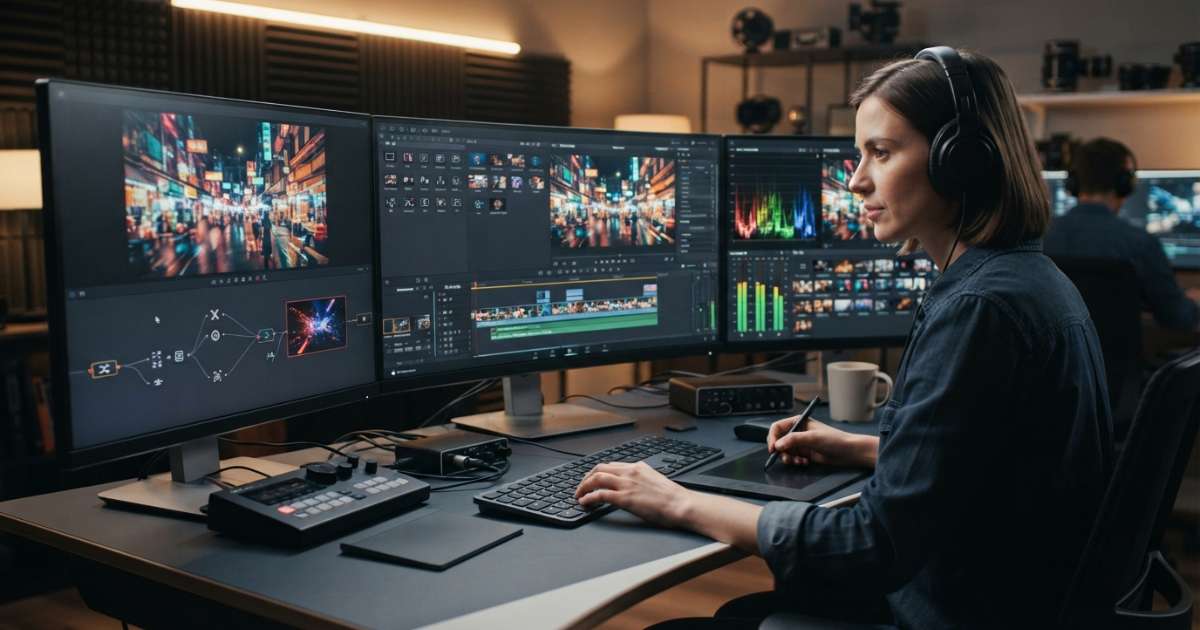
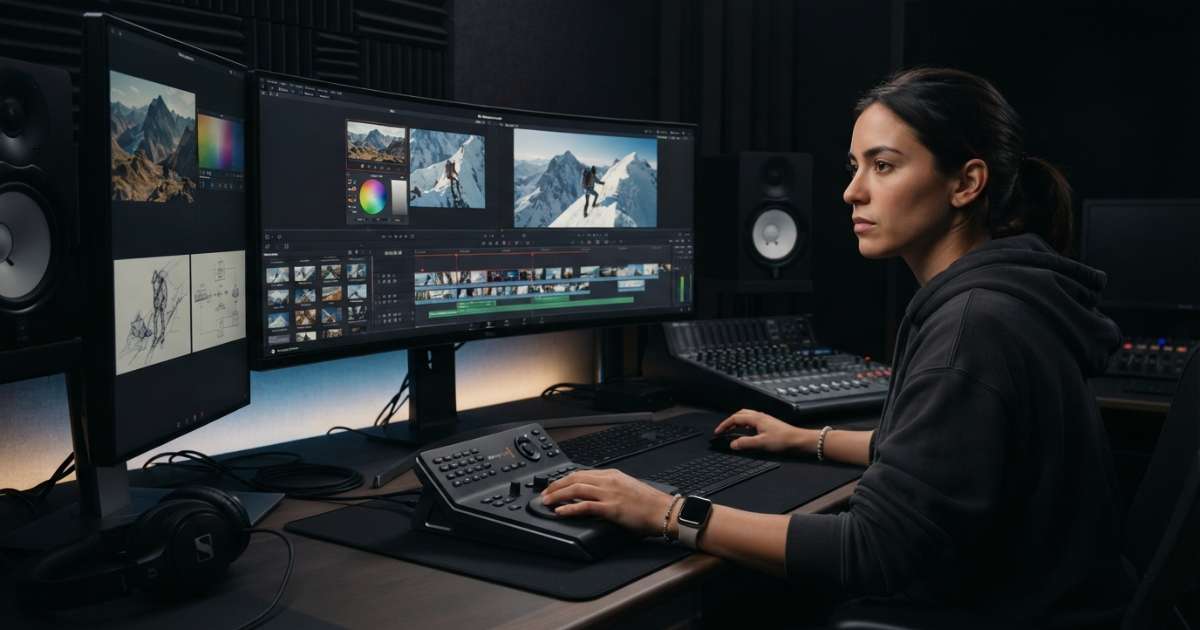
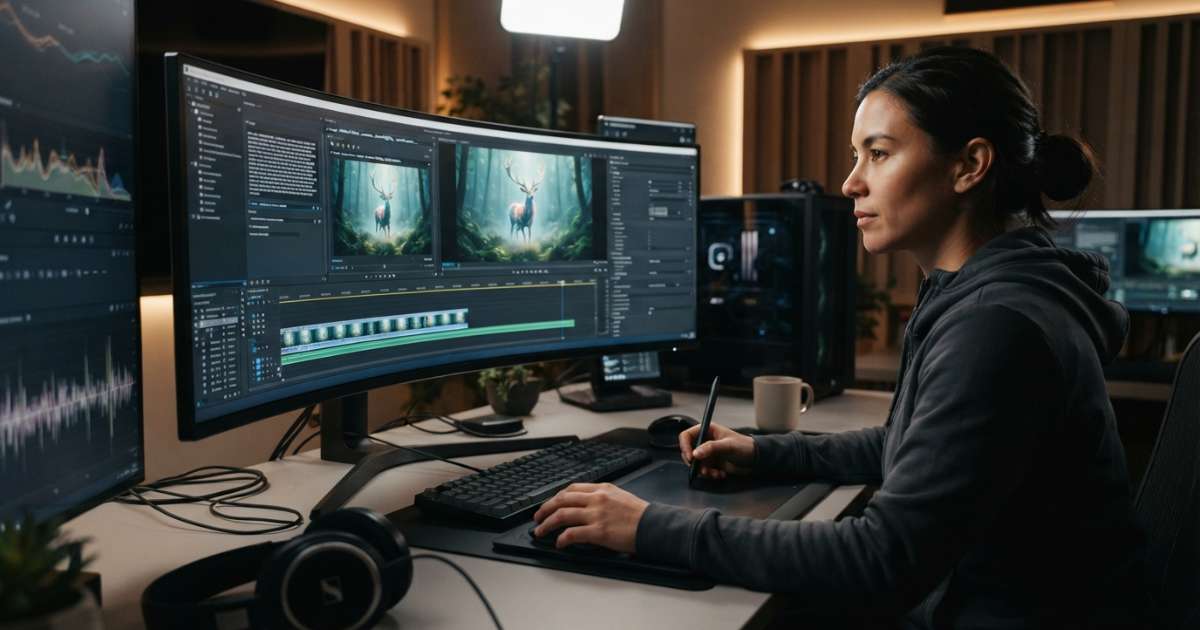
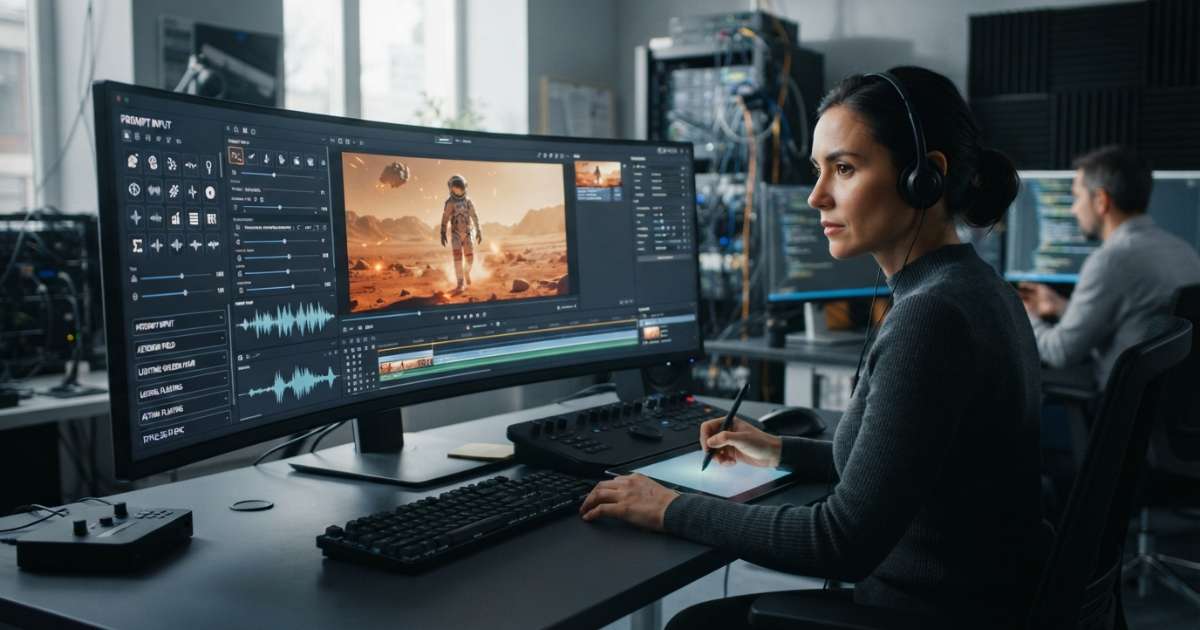
The landscape of digital content creation is undergoing a massive transformation driven by artificial intelligence. Among the most exciting developments in this revolution is the ability to generate complete, high-quality moving images from simple text descriptions. Utilizing a prompt video workflow has quickly become a standard practice for filmmakers, marketers, and content creators who want to produce engaging visuals without the traditional overhead of camera gear, studio rentals, and long editing hours. By understanding how to communicate effectively with artificial intelligence, anyone can now turn a creative concept into a stunning visual reality in a matter of minutes.
As the technology behind generative artificial intelligence continues to advance, the demand for precise and creative input has grown. The success of any AI-generated visual content relies heavily on the quality of the instructions provided to the system. Mastering the art of the prompt video allows creators to bypass technical limitations and focus entirely on storytelling. Whether you are producing a short film, a social media advertisement, or an educational presentation, knowing how to structure your text inputs will determine the professionalism and visual appeal of your final output.
Danh sách
Understanding the concept of prompt video in AI creation
To fully leverage the power of modern artificial intelligence tools, it is essential to understand what a prompt video actually is and how the underlying technology processes human language. In simple terms, this term refers to the textual instructions or descriptions that a user inputs into an AI system to generate a video sequence. Unlike traditional search queries, these instructions must be descriptive, structured, and detailed to guide the machine learning models toward the desired aesthetic and motion.
When you input a prompt video command into an AI platform, the system uses natural language processing to break down your words into key concepts. It analyzes the subjects, actions, settings, and stylistic cues you have provided. The artificial intelligence then references its vast database of learned visual patterns to construct a completely new video sequence from scratch. This process allows for an unprecedented level of creative freedom, as users are no longer limited by physical assets or real-world filming constraints.
The evolution of text to video models
The journey from basic static image generation to complex motion sequences has been remarkably rapid. Early models could only generate short, blurry clips with minimal movement. Today, sophisticated systems can produce high-definition sequences with realistic physics, complex lighting, and consistent character movements. This rapid evolution makes understanding the mechanics of a text to video prompt more important than ever, as the systems can now interpret highly nuanced instructions with incredible accuracy.
Why the right AI video prompt makes a massive difference
Many beginners make the mistake of using overly simple descriptions when attempting to generate visual content. A vague input will often result in generic, unpredictable, or low-quality results. Crafting a detailed AI video prompt ensures that the artificial intelligence understands the exact mood, lighting, camera angle, and style you want to achieve. By treating the input process as a form of digital directing, you can achieve professional-grade results that align perfectly with your creative vision.
How a text to video prompt transforms creative workflows
The integration of artificial intelligence into the media production industry has completely redefined traditional workflows. By utilizing a text to video prompt, creative teams can dramatically reduce the time required to move from an initial concept to a finished visual asset. This shift is particularly beneficial for independent creators and small businesses that may not have the financial resources to fund traditional video shoots.
In a traditional production environment, creating even a brief visual sequence requires scriptwriting, storyboarding, location scouting, hiring actors, setting up lighting, and extensive post-production editing. By contrast, a prompt video workflow condenses these steps into a single, iterative process. Creators can write a description, analyze the generated output, refine their text, and produce a new version within minutes, allowing for rapid experimentation and creative exploration.
Reducing production budgets significantly
One of the most immediate benefits of adopting artificial intelligence tools is the massive reduction in production costs. Businesses no longer need to allocate thousands of dollars for simple promotional clips or background visuals. By mastering the use of an AI video prompt, a single designer or marketer can produce high-quality visual content that would have previously required an entire production crew, democratizing the field of visual storytelling.
Enabling rapid prototyping with a text to video prompt
For larger production houses and agencies, artificial intelligence serves as an invaluable tool for pre-visualization. Directors and writers can use a text to video prompt to quickly generate mood boards, concept trailers, and scene mockups. This rapid prototyping capability allows creative teams to pitch ideas to clients with clear visual representations, reducing misunderstandings and ensuring that everyone is aligned before committing to expensive physical production.
Essential elements of a highly effective AI video prompt
Creating a compelling visual sequence through artificial intelligence requires a structured approach to writing your descriptions. Just as a director provides specific instructions to a camera crew and actors, you must provide clear details to the AI model. To craft a successful prompt video, you must balance clarity with descriptive detail, ensuring the system has enough information to generate high-quality frames.
Every successful input can be broken down into several core components. By systematically addressing each of these elements in your writing, you can consistently produce visually stunning and coherent sequences. Experienced creators often develop a template or formula to ensure they never omit crucial details when designing a new AI video prompt.
Defining the subject and action clearly
The core of any visual sequence is the subject and the action they are performing. You must state clearly who or what is in the frame and what is happening. Instead of writing a simple description, specify the exact movements, expressions, and interactions. This clarity prevents the artificial intelligence from making incorrect assumptions and helps maintain focus on the primary narrative element of your sequence.
Specifying camera angles and cinematic lighting
To make your generated content look professional, you must instruct the artificial intelligence on how to position the virtual camera. Incorporating terms like close-up shot, panning shot, or drone perspective into your text to video prompt completely changes the dynamic of the output. Additionally, describing the lighting conditions, such as golden hour light, dramatic studio lighting, or neon night glow, adds depth and realism to the scene.
Choosing the right artistic style and environment
The background and overall aesthetic style are critical for establishing the mood of your project. Whether you want a hyper-realistic cinematic look, a 3D animated style, or a vintage film aesthetic, you must state this clearly. Describing the environment in detail, including the weather, textures, and color palette, helps the prompt video system build a cohesive and immersive world around your main subject.
Tips to write a prompt video for stunning visual results
Learning how to write a prompt video is a skill that combines creative writing with an understanding of computer science. While the artificial intelligence model does the heavy lifting of rendering the frames, your words act as the blueprint. To achieve the best possible results, you must learn how to communicate your ideas in a way that the algorithm can easily interpret and execute.
One of the most important aspects of writing instructions is avoiding ambiguity. While human beings can easily fill in the blanks of a vague sentence, artificial intelligence requires explicit details. Developing a disciplined approach to your writing style will prevent unexpected errors and ensure that the generated output closely matches your original concept.
Step-by-step guide on how to write a prompt video
Start with the primary subject: Clearly identify the main character, object, or animal that should be the focus of the scene.
Describe the action in detail: Explain exactly what the subject is doing, including the direction of movement and any emotional expressions.
Set the scene and environment: Describe the background, weather, time of day, and any surrounding objects that should be present.
Incorporate camera instructions: Specify the camera movement, angle, and lens type to guide the perspective of the viewer.
Define the lighting and atmosphere: Use descriptive words to establish the mood, color scheme, and lighting sources of the scene.
Add stylistic and quality descriptors: Mention the desired artistic style, resolution, and render quality to ensure a professional finish.
By following this structured approach, you can create highly detailed inputs that give the artificial intelligence a clear path to success. Over time, you will learn which words and phrases yield the most reliable results, allowing you to refine your technique and produce even more impressive visual sequences.
Utilizing descriptive adjectives instead of generic terms
When describing elements in your AI video prompt, avoid generic words that can be interpreted in many different ways. Instead of using simple adjectives, choose highly descriptive terms that evoke specific visual textures and moods. This level of detail helps the system select the correct visual elements and prevents the output from looking generic or uninspired.
Controlling the pacing and motion of the output
One of the unique challenges of generating motion sequences is controlling the speed and flow of the action. You can influence this by including specific verbs and motion descriptors in your prompt video. Describing the action as slow-motion, hyper-lapse, or explosive movement gives the artificial intelligence clear guidelines on how to transition between frames, resulting in a much more dynamic final product.
Best video prompts for different industries and use cases
The versatility of artificial intelligence generation tools means they can be applied to a wide variety of industries. From commercial marketing to educational content, different sectors require unique visual styles and storytelling techniques. Studying the best video prompts used by professionals in various fields can provide valuable inspiration for your own projects.
By analyzing successful examples, you can understand how different industries structure their instructions to achieve specific business goals. Whether you need to sell a product, explain a complex concept, or entertain an audience, there is a specific way to frame your text to video prompt to get the desired emotional response from your viewers.
Marketing and product demonstration examples
In the advertising world, visual appeal and brand consistency are paramount. Marketers often use a prompt video to showcase products in dynamic, idealized settings that would be difficult or expensive to recreate in real life. By focusing on clean lighting, smooth camera movements, and vibrant colors, commercial prompts can generate eye-catching social media ads that instantly grab the audience’s attention.
An effective commercial prompt might describe a sleek, modern product resting on a reflective surface, surrounded by soft, flowing water droplets, with a slow cinematic zoom. This level of detail ensures that the generated sequence looks premium and aligns with the branding strategies of high-end consumer goods.
Educational and historical reconstruction concepts
Educators and documentary filmmakers are increasingly turning to artificial intelligence to bring history and science to life. Creating an AI video prompt that accurately depicts historical events, ancient civilizations, or microscopic biological processes allows students to visualize complex topics in a way that textbooks cannot replicate.
For educational content, the focus of the prompt video should be on historical accuracy and realistic textures. Describing the clothing, architecture, and lighting of a specific historical era helps the artificial intelligence reconstruct scenes that are both visually engaging and educational, providing a powerful tool for modern classrooms.
The future of video prompt generator tools in digital marketing
As the demand for quick and engaging visual content continues to rise, the tools we use to generate these assets are becoming more sophisticated. The emergence of the video prompt generator represents the next step in this technological evolution. These specialized tools help users write better instructions by automatically suggesting descriptive words, camera angles, and stylistic elements based on a simple initial idea.
For digital marketers, leveraging a video prompt generator can dramatically accelerate the content creation process. Instead of spending hours brainstorming the perfect combination of words, marketers can input a basic concept and receive several optimized prompt variations. This allows for rapid testing of different visual styles on social media platforms, helping brands identify what resonates best with their target audience.
Automating social media video production
The fast-paced nature of social media platforms requires brands to produce a constant stream of fresh visual content. By combining a video prompt generator with automated scheduling tools, businesses can create a highly efficient content pipeline. This automation allows marketing teams to maintain a strong online presence without burning out their creative staff or exhausting their production budgets.
Furthermore, as these tools become more integrated with data analytics, we may soon see systems that can automatically adjust a text to video prompt based on real-time performance metrics. If a particular visual style is performing well, the generator can automatically produce more content in that style, optimizing the marketing campaign on the fly.
Personalizing video content at scale
The ultimate goal of modern digital marketing is personalization. With traditional production methods, creating customized visual content for different audience segments is virtually impossible due to cost and time constraints. However, by utilizing a prompt video workflow, brands can easily generate dozens of variations of a single concept, tailoring the visuals, background, and style to match the specific preferences of different demographic groups, leading to higher engagement and conversion rates.
As we look to the future, the boundaries of what can be achieved with artificial intelligence will continue to expand. By mastering the techniques of writing effective prompts and utilizing the latest generator tools, creators and businesses can stay ahead of the curve, producing stunning visual stories that captivate audiences around the world.
As businesses scale their digital marketing and video production efforts using advanced technologies like AI, having a professional and inspiring workspace is crucial for team collaboration and creative brainstorming. King Office offers premium office spaces in prime locations, designed to foster innovation, productivity, and success for modern enterprises. By renting an office at King Office, your team gains access to state-of-the-art facilities, flexible leasing terms, and a professional environment that elevates your brand image.
Whether you are a growing creative agency working on cutting-edge visual technologies or an established corporate team looking for a strategic location, King Office provides the perfect workspace solution tailored to your unique business needs. Contact King Office today to find the ideal office building that will drive your business forward and inspire your team to reach new heights.