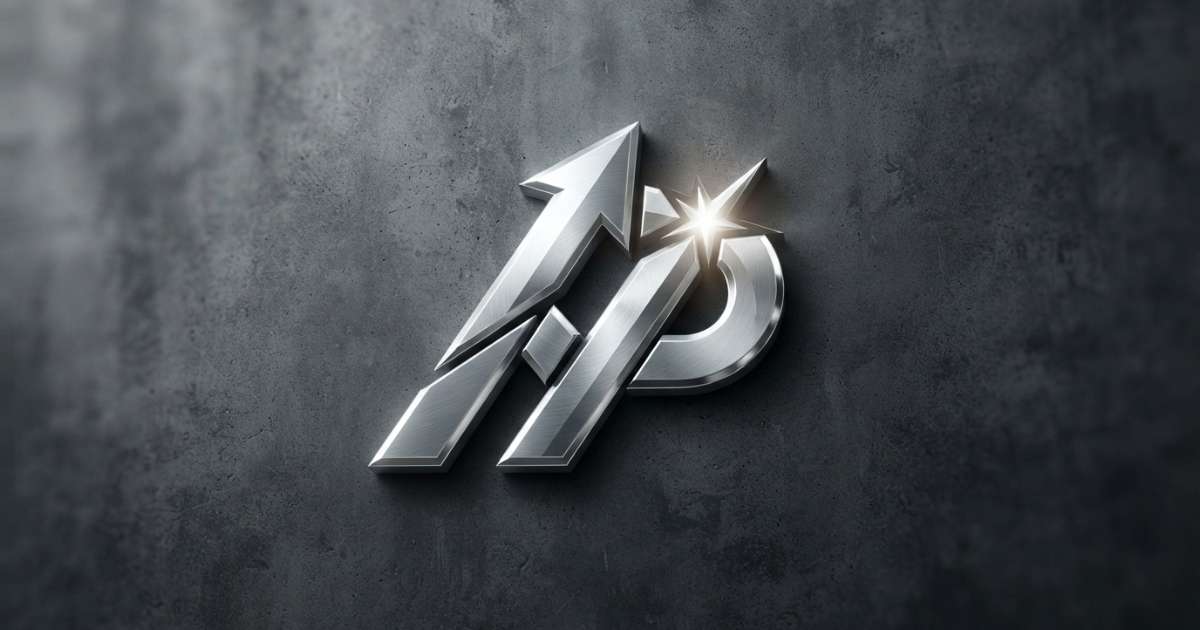
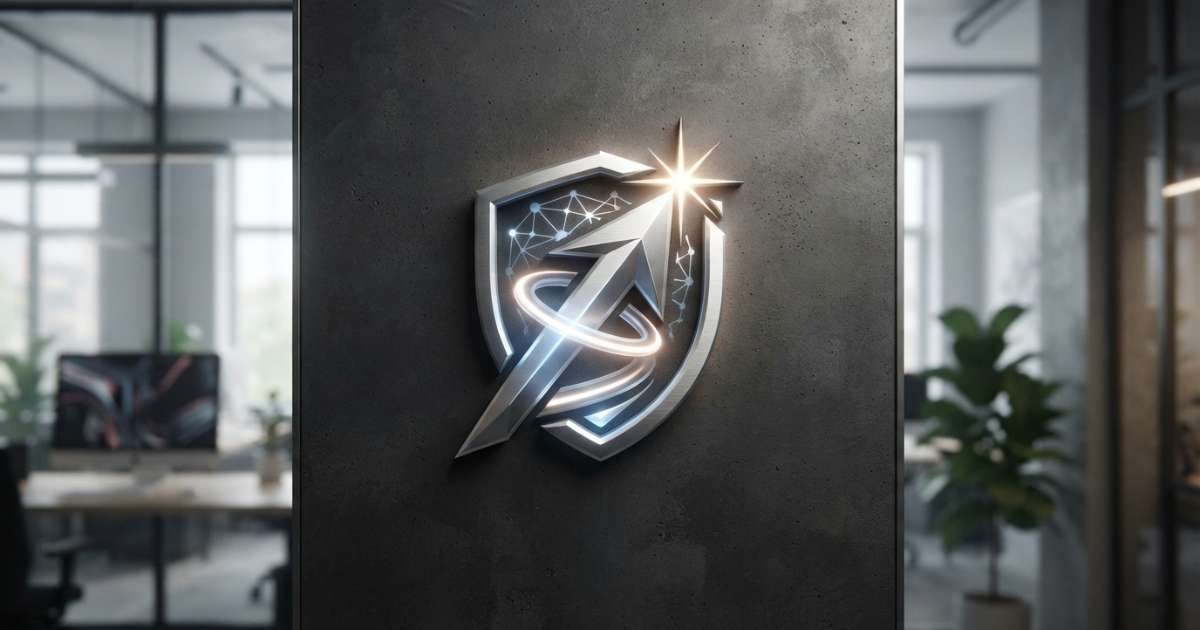
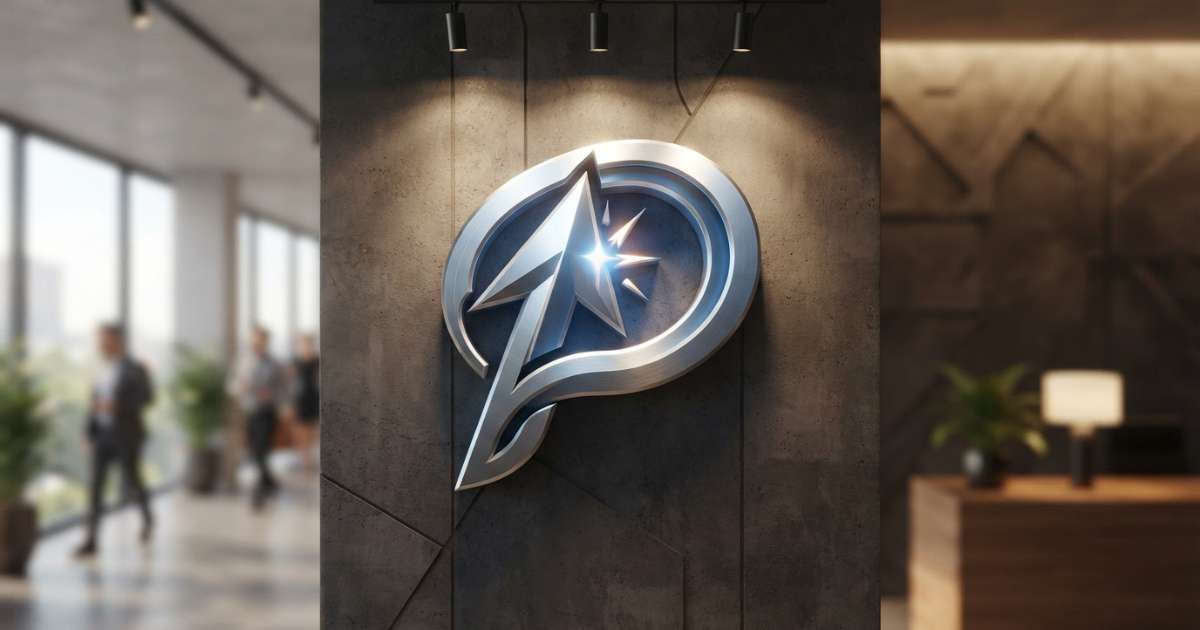
The field of graphic design has experienced a massive transformation with the rise of artificial intelligence. Today, creating a brand identity no longer requires days of manual sketching and complex vector software. Instead, a well-crafted prompt logo can generate stunning, professional visual identities in a matter of seconds. Using artificial intelligence to design brand marks has become a standard practice for startups, content creators, and professional design agencies alike.
To achieve the best results, one must understand how to communicate effectively with AI image generators. Writing a highly descriptive AI logo prompt is the key to unlocking unique, scalable, and memorable designs. This comprehensive guide will explore the mechanics of creating the perfect prompt logo, the best tools available, and practical strategies to elevate your brand identity using artificial intelligence.
Danh sách
Understanding the Concept of Prompt Logo in Modern Graphic Design
The term prompt logo refers to a structured set of text instructions fed into an artificial intelligence model to generate a visual brand mark. Unlike traditional design methods where a designer manually draws shapes, AI uses deep learning models to translate natural language into complex visual assets. This process saves valuable time and allows for rapid prototyping of diverse design concepts.
By leveraging a targeted logo design prompt, businesses can explore hundreds of stylistic variations in a single afternoon. This approach democratizes design, making high-quality branding accessible to small business owners who may not have a large budget for creative agencies. However, the quality of the final output depends heavily on the clarity and specificity of the text input provided to the AI engine.
What is a prompt logo exactly
At its core, a prompt logo is a bridge between human imagination and machine execution. It consists of keywords that describe the subject, style, color palette, composition, and artistic medium of the desired emblem. When you enter these keywords, the AI analyzes its vast database of images and design principles to synthesize a completely new visual asset. The goal is to provide precise instructions so the machine understands the exact mood and message of your brand.
How AI generators interpret a logo design prompt
AI image generators do not think like human artists. Instead, they recognize patterns, shapes, textures, and color relationships from their training data. When you submit a logo design prompt, the system breaks down your sentence into tokens. It analyzes these tokens to identify key stylistic demands, such as flat vector, minimalist, or mascot style. If your text is too vague, the machine will make random assumptions, which often leads to cluttered or irrelevant designs.
How to Write a Prompt Logo for Outstanding Results
Learning how to write a prompt logo requires a balance of descriptive language and structural constraints. You must guide the AI by defining what to include and, equally important, what to exclude. A successful input follows a logical structure that begins with the core subject, followed by style descriptors, color choices, and technical rendering commands.
To get a clean emblem, you must explicitly instruct the generator to avoid complex photographic details. Using terms like vector illustration, flat design, and clean lines will yield much better results. Additionally, specifying a solid background color makes it much easier to isolate and edit the final graphic in vector editing software later on.
Essential elements of a successful AI logo prompt
To construct a highly effective AI logo prompt, you should always include the following core components in your text description:
The Subject: Clearly state the central icon, animal, letter, or abstract shape you want to display.
The Design Style: Use terms like minimalist, geometric, vintage badge, corporate emblem, or mascot.
The Color Palette: Specify exact colors, such as pastel blue, monochromatic, golden gradient, or vibrant dual-tone.
Technical Parameters: Add instructions like flat vector, white background, no gradients, and clean sharp edges to ensure editability.
Common mistakes when writing a prompt logo
One of the biggest mistakes when learning how to write a prompt logo is adding too many details. Writing a long paragraph with complex background descriptions will confuse the AI, resulting in a cluttered image that cannot function as a practical brand mark. Another common error is asking the generator to write long texts or complex brand names. Most current AI engines struggle with spelling, so it is best to generate a symbol-only emblem and add your typography manually using standard design software.
Top AI Tools for Generating Logos with Prompts
Choosing the best prompt logo generator depends on your specific design needs and your level of technical expertise. Different AI platforms have unique strengths, rendering styles, and user interfaces. Some engines excel at artistic, highly detailed graphics, while others are optimized for clean, corporate, and minimalist vector-style designs.
By testing your ideas across multiple platforms, you can compare different creative interpretations of the same text. Many professional designers use a combination of these tools during the initial brainstorming phase to quickly present diverse mood boards to their clients.
Using Midjourney prompt logo techniques for artistic results
Midjourney is widely considered one of the most powerful tools for creative image generation. To create a Midjourney prompt logo, you should utilize specific parameters such as aspect ratios and style weights. Because Midjourney tends to produce highly detailed, painterly images, you must use negative prompts to remove unwanted details. Adding terms like –no realistic photo, shading, 3D render to your Midjourney prompt logo will force the system to stick to flat, clean, and modern vector aesthetics.
DALL-E and Stable Diffusion as the best prompt logo generator options
For those seeking alternative platforms, DALL-E 3 by OpenAI is an exceptional best prompt logo generator due to its incredible understanding of complex English instructions. It is highly responsive to specific layout requests and can even handle short text elements reasonably well. On the other hand, Stable Diffusion offers unparalleled control for advanced users. By using ControlNet and custom-trained models, designers can maintain strict structural consistency, making it easier to refine a specific brand mark over multiple iterations.
Practical Examples of Effective Logo Design Prompts
To help you get started, we have compiled a list of highly effective templates that you can customize for your own brand. These examples demonstrate how to balance subject matter, style keywords, and technical constraints to achieve clean, professional results from any major AI image generator.
When using these templates, remember to replace the bracketed terms with your specific industry, core symbol, or preferred color scheme. Experimenting with different color combinations and stylistic keywords will help you find the perfect visual representation for your business.
Minimalist and modern prompt logo examples
Minimalism is highly valued in modern branding because clean shapes are easily recognizable and scale perfectly across different digital and physical mediums. Here are some templates to try:
A minimalist prompt logo of a soaring eagle, geometric lines, flat vector style, blue and silver color palette, white background, simple and clean design.
A modern logo design prompt featuring a stylized coffee bean, continuous line art, warm brown tones, elegant typography layout, minimalist aesthetic, isolated on a solid white background.
An abstract geometric AI logo prompt for a technology startup, interlocking hexagons, neon green and dark grey gradient, flat vector, sharp angles, futuristic look, clean background.
Vintage and mascot style logo prompts
If your brand requires a more energetic or heritage-focused identity, mascot and vintage styles are excellent choices. Use these detailed templates to guide your AI generator:
A vintage badge prompt logo for a craft brewery, a detailed mountain silhouette, retro typography frame, distressed texture, copper and dark forest green colors, vector illustration style.
A friendly bear mascot Midjourney prompt logo, wearing a chef hat, bold outlines, simple flat colors, cartoon style, cute and welcoming, white background, suitable for a bakery brand.
An athletic mascot logo design prompt of a fierce wolf, sharp geometric edges, dynamic pose, red and black color scheme, modern sports team emblem style, isolated vector graphic.
The Future of Branding with Prompt Logo Creation
The rapid evolution of artificial intelligence suggests that the use of a prompt logo is not a passing trend, but rather the future of corporate identity design. As AI models become more sophisticated, they will be able to export native vector files directly, eliminating the need for manual tracing and cleanup. This will further streamline the branding process, allowing for real-time design adjustments during client consultations.
However, the human element remains vital in the branding equation. While a machine can generate beautiful shapes based on an AI logo prompt, it lacks the emotional intelligence to understand market positioning, competitor analysis, and cultural nuances. The most successful branding projects will continue to rely on human designers who use AI as a powerful collaborative assistant.
Will AI replace professional logo designers
Rather than replacing human creativity, the transition to prompt-based design shifts the designer’s role from execution to curation and strategic direction. A professional designer knows how to choose the right best prompt logo generator, refine the output, and integrate it into a cohesive brand identity system. AI accelerates the brainstorming phase, allowing designers to spend more time on brand strategy, client communication, and unique typography customization.
Integrating prompt logo workflows in design agencies
Forward-thinking design agencies are already integrating the prompt logo workflow into their daily operations. By utilizing AI during the initial discovery phase, agencies can generate dozens of diverse design directions in minutes. This rapid visualization helps clients identify their visual preferences early in the project, significantly reducing the number of revision rounds and ensuring a faster, more collaborative path to the final brand identity.
In conclusion, mastering the art of the prompt logo is an essential skill for anyone looking to navigate the modern design landscape. By understanding how to write clear, structured, and descriptive prompts, you can harness the power of artificial intelligence to create stunning, professional brand marks that stand out in today’s competitive market.
Finding the perfect workspace is just as important as building a strong brand identity. If you are looking to establish your business in a premium location, King Office offers exceptional office rental solutions tailored to your company’s growing needs.
Our modern office spaces provide the ideal environment for creativity, collaboration, and professional growth. With flexible rental terms, state-of-the-art facilities, and prime business addresses, King Office ensures your team has everything required to succeed. Contact us today to secure your new corporate headquarters and elevate your brand presence.